ADVERTISEMENT
The Hidden Smile in the Coca-Cola Logo: A 130-Year-Old Secret You’ve Probably Missed
You’ve probably seen the Coca-Cola logo thousands of times—on soda cans, billboards, restaurant menus, vending machines, and even holiday decorations. It’s one of the most recognizable brand logos in the world.
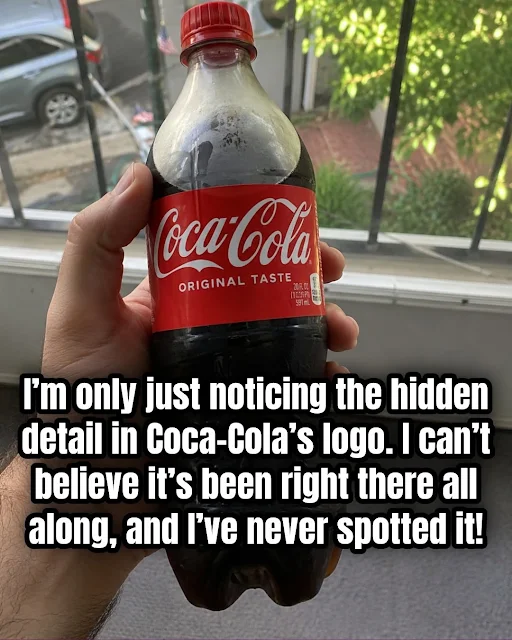
But what if someone told you there’s a hidden detail in the famous script that millions of people have overlooked for decades?
Some people claim there’s a subtle “smile” hidden within the flowing letters of the Coca-Cola logo. Whether you notice it immediately or need a second look, it’s a fascinating example of how our brains naturally search for patterns in familiar designs.
Let’s take a closer look at the history of the iconic logo, the “hidden smile” idea, and why it continues to capture people’s attention more than 130 years after it was first created.
A Logo That Has Stood the Test of Time
The Coca-Cola logo was created in 1886 by Frank Mason Robinson, the company’s bookkeeper and marketing visionary.
He believed that two capital “C” letters would look elegant in advertising, so he wrote the name in the flowing Spencerian script, a popular handwriting style in the United States during the late 19th century.
Remarkably, while the logo has been refined over the years, its overall appearance has remained largely unchanged—making it one of the longest-lasting brand identities in history.
Where Is the “Hidden Smile”?
Many people point to the sweeping curve formed by the lower portions of the letters in the word “Coca-Cola.”
When viewed as a whole, these flowing curves can resemble a gentle smile stretching beneath the text.
Others notice that the elegant script naturally creates a friendly, welcoming appearance, giving the impression of a smiling face even though no actual face was intentionally drawn.
It’s important to note that there is no official confirmation from Coca-Cola that the logo was deliberately designed to contain a hidden smile. This interpretation comes from viewers rather than the company’s documented design history.
Why Our Brains See Hidden Images
Humans are naturally wired to recognize familiar shapes and patterns.
This phenomenon is called pareidolia.
It’s the same reason people sometimes see:
- Faces in clouds
- Animals in rock formations
- Shapes on the Moon
- Figures in tree bark
- Smiling expressions in everyday objects
Our brains constantly search for recognizable patterns, even when none were intentionally created.
Why the Coca-Cola Logo Feels Friendly
Continued On Next Page
ADVERTISEMENT