ADVERTISEMENT
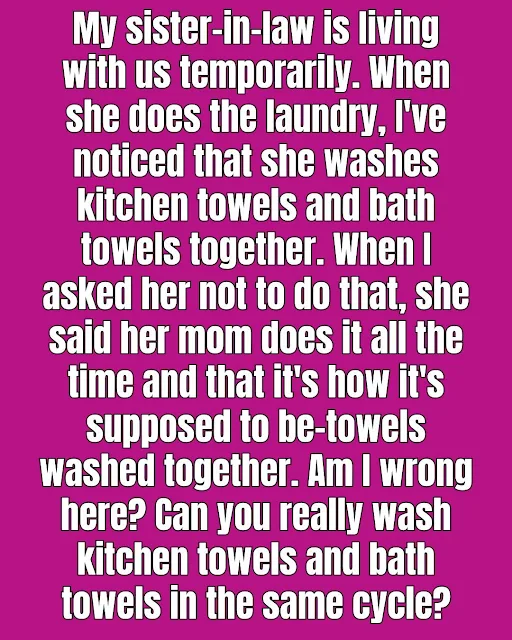
The Risk of Washing Them Together
When you combine kitchen and bath towels in the same load, you’re potentially mixing:
-
Food-borne pathogens from kitchen towels
-
Skin bacteria from bath towels
-
Residual moisture that can encourage bacterial growth if towels aren’t dried promptly
The biggest concern isn’t that the towels will become “dirty” per se—it’s that bacteria can transfer from one towel type to the other. In a warm, damp washing machine environment, bacteria can survive and even multiply if the water temperature isn’t high enough.
Important note: This is especially relevant if someone in your household has a weakened immune system, skin conditions like eczema, or is recovering from an illness. For these individuals, minimizing bacterial exposure is more critical.
When It Is Safe to Combine Towels
If you choose to combine kitchen and bath towels, you can do so safely by following these guidelines:
✅ Use Hot Water (140°F / 60°C or higher)
Heat is your best friend. Washing at high temperatures kills most bacteria and sanitizes fabrics effectively. Check your towel care labels—most cotton towels tolerate hot water well.
✅ Add a Laundry Sanitizer
Products like bleach (for white towels) or oxygen-based bleach alternatives (for colors) provide an extra layer of protection. There are also specialty laundry sanitizers formulated to eliminate bacteria in cooler washes.
✅ Dry Thoroughly on High Heat
Heat doesn’t stop in the wash—your dryer is the second line of defense. High-heat drying (at least 60°C) kills remaining bacteria. Ensure towels are completely dry before folding and storing them.
✅ Wash Towels at Least Twice a Week
Frequent washing reduces the bacterial load on each towel. If you combine loads, this frequency ensures bacteria don’t have time to multiply to high levels.
When It’s Not Safe to Combine Towels
There are clear situations where mixing kitchen and bath towels is a bad idea:
-
🚫 After handling raw meat or poultry. Always wash kitchen towels used for raw meat separately in hot water with sanitizer.
-
🚫 If someone in your home is ill. During gastrointestinal illness, fevers, or skin infections, separate loads are safer.
-
🚫 If you wash in cold water. Cold water doesn’t kill pathogens effectively, making cross-contamination more likely.
-
🚫 If you’re drying on low heat or air-drying. Without high heat, bacteria can survive and multiply on damp fabrics.
-
🚫 If towels are heavily soiled with grease or food residue. These can coat fabrics and protect bacteria from the wash cycle.
Best Practices for Towel Hygiene (By Towel Type)
To keep your home fresh and safe, here’s a simple breakdown:
| Towel Type | Wash Temperature | Drying | Frequency | Wash With |
|---|---|---|---|---|
| Kitchen Towels | Hot (60°C+) | High heat | Every 2–3 days | Other kitchen linens only |
| Bath Towels | Warm or hot | High heat | Weekly | Other bath linens |
| Hand Towels | Warm or hot | High heat | Every 2–3 days | Can go with bath towels |
| Dishcloths | Hot (60°C+) | High heat | Daily | Kitchen towels |
Continued On Next Page
ADVERTISEMENT