ADVERTISEMENT
Southern Tick-Associated Rash Illness (STARI)
STARI produces a red, expanding rash around the tick bite site that develops within about 7 days. It can look very similar to the bull’s-eye rash of Lyme disease .
-
Other symptoms may include fatigue, headache, fever, and muscle aches.
-
The good news is that the illness resolves quickly with antibiotics if needed .
-
It’s important to know that Lyme disease is not transmitted by the Lone Star tick—their saliva actually has properties that kill the Lyme bacteria .
Other Diseases
The Lone Star tick can also transmit tularemia, the Heartland virus, and the Bourbon virus .
When to See a Healthcare Provider
If you’ve been bitten by a tick, it’s wise to watch for symptoms over the following weeks. According to the Cleveland Clinic, you should see a healthcare provider right away if you experience :
-
Fever over 103°F (40°C)
-
Difficulty breathing
-
Confusion or mental changes
-
Severe abdominal pain
-
Swelling of your face, mouth, tongue, or throat
-
A rash that expands beyond the immediate bite area
Preventing Lone Star Tick Bites
An ounce of prevention is truly worth a pound of cure when it comes to ticks. Here are the simple habits that keep me safe while I enjoy my garden and walks.
Before You Go Outdoors
-
Wear light-colored clothing. This makes ticks much easier to spot .
-
Tuck your pants into your socks or boots when walking through tall grass or brush .
-
Apply EPA-approved tick repellent to exposed skin and clothing .
During and After Your Time Outdoors
-
Perform tick checks immediately after coming inside. Check behind your ears, on your scalp, along your waistline, and under your arms—ticks love warm, hidden places .
-
Shower soon after coming indoors if you’ve been in tick habitat. This can wash off unattached ticks .
-
Keep your yard maintained. Mow your lawn regularly and keep it free of clutter to reduce tick habitat .
Final Thoughts: Calm Knowledge Is Your Best Protection
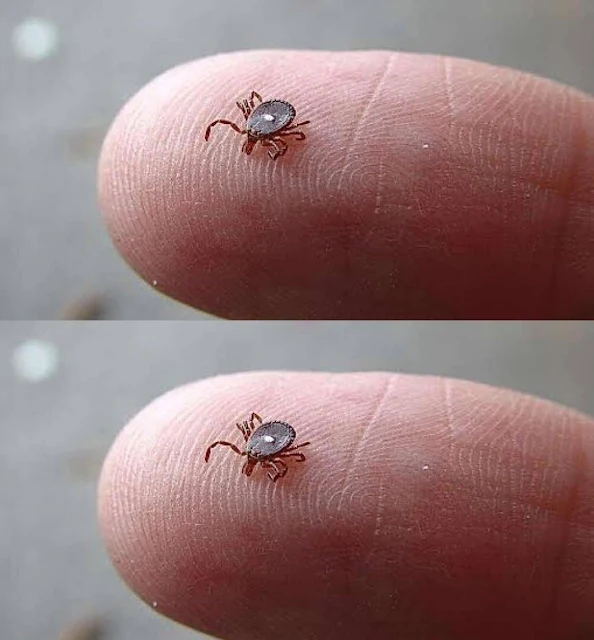
The Lone Star tick is a part of life in many beautiful parts of the country. It’s not a reason to stay indoors—it’s a reason to be prepared. Knowing how to identify these ticks, how to remove them properly, and what symptoms to watch for gives you all the tools you need to enjoy your time outdoors with confidence.
So, the next time you’re out in the garden or on a woodland walk, take a breath, enjoy the beauty around you, and if you spot a tiny hitchhiker, you’ll know exactly what to do. A little knowledge and a steady hand are all it takes.
ADVERTISEMENT