ADVERTISEMENT
Signs Your Bra Needs a Wash Immediately
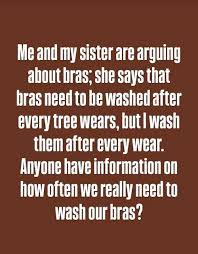
Sometimes, you cannot rely entirely on the standard “3-wear rule.” It is important to pay attention to your senses and look out for these clear warning signs:
- Visible Stains: If you spot clear sweat marks, salt lines, or discoloration along the band, body oils and perspiration have deeply saturated the material.
- A Lingering Odor: If the bra does not smell completely fresh when you pick it up, bacteria are already actively breaking down old sweat. A thorough wash is required to eliminate the root cause.
- Sudden Skin Itchiness: If you experience irritation or itching along the bra line, it is usually caused by a buildup of trapped body oils, dead skin, or dried laundry detergent residue.
- Loss of Support: If the band feels unusually loose or the straps keep sliding down, the elastic fibers are likely fatigued. A good wash and a rest period will help the fibers snap back.
- Discoloration: If the fabric begins to look dull, yellowed, or faded, it means outside elements like sunscreens, body lotions, or sweat are starting to alter the dye.
Climate Note: If you live in a very hot, humid climate, you will likely need to wash your bras after every single wear. If you live in a cooler, much drier environment, stretching it to 3 or 4 wears is usually perfectly fine.
When to Replace Your Bras Entirely
Even if you take immaculate care of your undergarments, they will not last forever. Knowing when it is time to retire an old bra is absolutely vital for your physical comfort and structural support.
Clear Indicators It Is Time to Say Goodbye
- The Elastic is Totally Stretched Out: If the band feels incredibly loose even on the tightest hook, it can no longer distribute weight properly, which can lead to nagging back and shoulder pain.
- The Underwire is Poking Out: When a metal underwire bends, breaks, or begins poking through the fabric, it becomes an immediate safety hazard and a major source of discomfort.
- The Cups are Misshapen: Wrinkled, stretched out, or permanently dented cups will show through your clothes and fail to hug your chest correctly.
- The Straps Constantly Slip: When the elastic inside the shoulder straps completely degrades, tightening the plastic sliders will no longer keep them from slipping down your arms.
- The Back Band Rides Up: If the back of your bra constantly slides up toward your shoulder blades, the band has lost its elasticity and is no longer anchoring itself to your body.
- The Fabric Looks Worn Thin: Materials that are heavily pilled, threadbare, or severely faded have reached the end of their lifespan and can easily chafe your skin.
The Average Lifespan of a Well-Cared-For Bra
- Everyday T-Shirt Bra: Expect these to last around 6 to 12 months with regular wear and proper care.
- Sports Bra: These generally last about 6 to 9 months, as high-impact workouts accelerate the breakdown of the fabric.
- Lace or Delicate Bra: These delicate items can easily last 1 to 2 years, provided they are exclusively hand-washed and properly rotated.
- Strapless or Specialty Bra: Because these are worn far less frequently, they can easily last you 1 to 2 years.
Value Perspective: While quality lingerie can feel like a splurge up front, investing in well-made pieces and caring for them correctly is significantly more economical over the long run than constantly buying cheap alternatives that lose their shape in a matter of weeks.
The Critical Step Most People Miss: Get Professionally Fitted
Before you head out to purchase a brand-new bra—or even before you finish auditing your current collection—it is highly recommended to enlist the help of a professional bra fitter.
Why a Professional Fitting is a Total Game-Changer
- Our Bodies are Constantly Changing: Natural life events like weight fluctuations, aging, hormonal shifts, and pregnancy constantly alter the actual size and shape of your breasts.
- Most People Wear the Wrong Size: Multiple clothing studies have shown that anywhere from 70% to 85% of women are currently wearing the completely wrong bra size, usually choosing a band that is too large and cups that are too small.
- True Fit Equals Total Comfort: A perfectly fitted bra distributes the weight of your chest evenly across your torso. This instantly alleviates pressure on your shoulders, cuts down on lower back pain, and vastly improves your posture.
- An Instant Confidence Boost: When your undergarments fit your body flawlessly, your clothes sit better, your silhouette looks smoother, and you will naturally carry yourself with far more confidence.
When You Should Get Re-Fitted
- Whenever you experience a noticeable weight loss or weight gain of around 10 pounds or more.
- During or right after a pregnancy, as well as after you finish breastfeeding.
- Following any type of chest surgery, including augmentations, reductions, or mastectomies.
- The moment your current collection starts to feel generally uncomfortable, digs into your skin, or slips around.
- At least once every 1 to 2 years as a smart, preventative wellness check-in.
Finding a Fitter: Keep an eye out for certified bra fitters at local specialty lingerie boutiques, high-end department stores, or look up professionals who have been trained by recognized academies. Many boutiques even offer highly accurate virtual fittings online from the comfort of your home.
ADVERTISEMENT