ADVERTISEMENT
Red Flags: When to Get Help Immediately
If you or someone near you experiences any of these symptoms together, don’t wait. Don’t hesitate. Call 911 or go to the nearest emergency room right away:
-
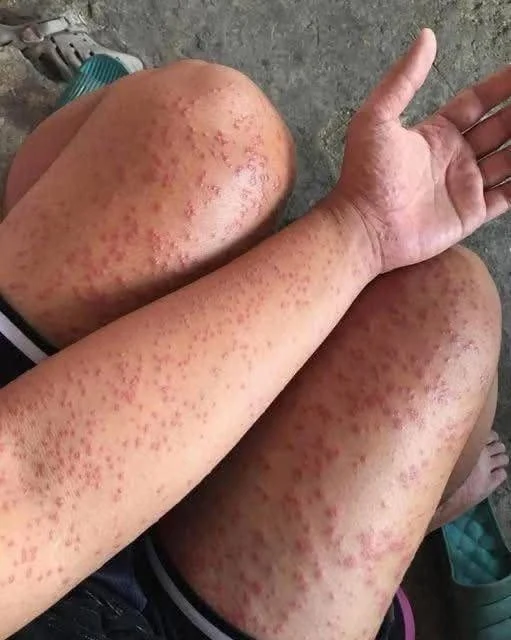
Skin: Hives, flushing, itching, or swelling on the face, lips, or tongue
-
Breathing: Wheezing, shortness of breath, coughing, or a sensation of throat tightness
-
Stomach: Nausea, vomiting, or diarrhea
-
Heart/Dizziness: Feeling faint, lightheaded, or weak
-
Mental: Confusion or a sense of panic
One helpful way to remember these signs is the “two or more systems” rule. If the reaction affects two different parts of your body—say, your skin and your breathing—it’s a strong indicator of anaphylaxis and requires emergency care.
What to Do in an Emergency (Step by Step)
Let’s walk through this gently, so you feel prepared—not frightened.
If You Have an Epinephrine Auto-Injector (EpiPen):
-
Use it immediately. Do not wait to see if symptoms get better on their own—they won’t.
-
Inject it into the outer thigh (through clothing if necessary) and hold for the recommended time (usually 5-10 seconds).
-
Call 911 or have someone drive you to the ER—even if you feel better after the injection. You may need a second dose or further medical monitoring.
If You DON’T Have an EpiPen:
-
Call emergency services immediately (911 or your local emergency number).
-
Stay as calm as possible. Try to sit upright—do not lie flat, as this can affect your breathing. If you feel dizzy, sit with your legs elevated.
-
If the person is unconscious or not breathing, start CPR if you’re trained, and continue until help arrives.
-
Do NOT try to induce vomiting or give anything by mouth unless directed by a medical professional.
Preventing Allergic Reactions in Daily Life
While not every allergy is preventable, there are practical steps that can reduce your risk—especially if you know you have certain sensitivities.
For Food Allergies:
-
Read labels carefully. Ingredients can change without notice.
-
When dining out, ask about preparation methods and potential cross-contamination.
-
Wear a medical alert bracelet if you have a known severe allergy.
For Medication Allergies:
-
Keep a list of all your medications and known allergies—and share it with every healthcare provider you see.
-
Ask questions before starting a new medication, especially antibiotics or NSAIDs (like ibuprofen).
For Insect Stings:
-
Avoid wearing brightly colored clothing or scented lotions outdoors.
-
Wear shoes and long sleeves in grassy or wooded areas.
-
If you know you’re allergic, carry your EpiPen at all times.
For Latex Allergies:
-
Ask for non-latex gloves during medical visits.
-
Be mindful of products like rubber bands, balloons, or household gloves that may contain latex.
Continued On Next Page
ADVERTISEMENT