ADVERTISEMENT
1. Better Bread, Naturally
Modern artisan bread—sourdough, baguettes, whole grain loaves—often lacks preservatives. A breadbox helps these breads stay fresh without compromising texture or flavor.
2. Sustainable Living
Using a breadbox reduces reliance on:
Single-use plastic bags
Disposable bread ties and clips
Over-packaged commercial loaves
3. Kitchen Aesthetics
Vintage and modern breadboxes add charm to any kitchen:
Mid-century metal designs bring retro flair
Wooden boxes add warmth and craftsmanship
Ceramic or stoneware options offer artisan appeal
4. The Joy of Ritual
There’s something deeply satisfying about:
Placing a fresh loaf in its dedicated home
Opening the lid to find perfectly preserved bread
Honoring a small tradition that connects us to generations past
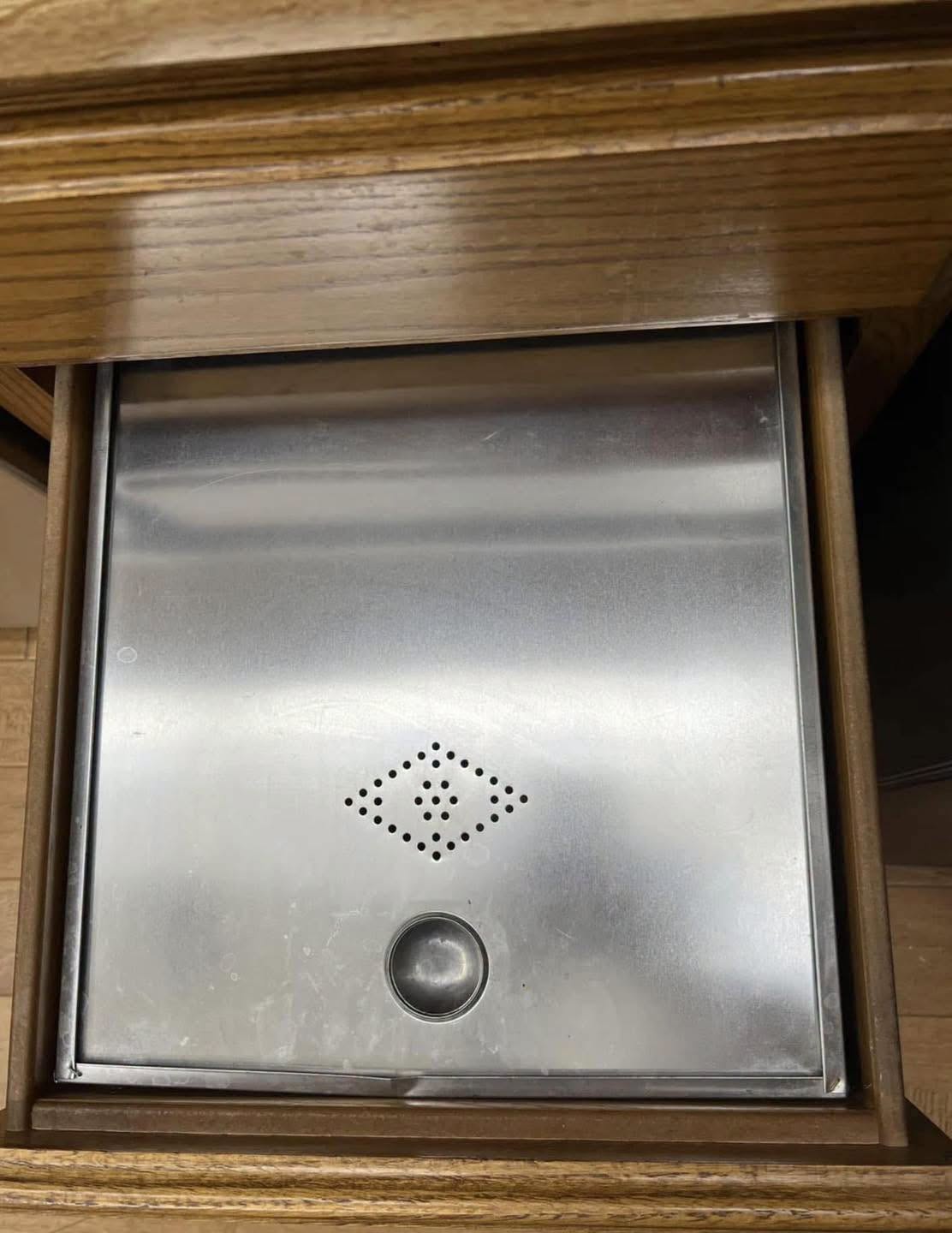
🏠 Built-In vs. Countertop Breadboxes: What’s Right for You?
Type
Best For
Pros
Cons
Built-in breadbox
Renovations, new builds, vintage homes
Saves counter space; seamless look; often larger capacity
Permanent installation; harder to clean thoroughly
Countertop metal
Retro kitchens, small spaces
Easy to move; classic look; affordable
Takes up counter space; can dent or rust
Countertop wood
Rustic or farmhouse styles
Beautiful natural material; excellent humidity control
Requires occasional oiling; can absorb odors
Ceramic/stoneware
Decorative kitchens
Artistic designs; excellent temperature stability
Heavy; can chip or break if dropped
Modern minimalist
Contemporary spaces
Sleek lines; often includes extra features (knife storage, etc.)
May sacrifice some ventilation for style
🥖 How to Use a Breadbox for Maximum Freshness
Step 1: Choose the Right Bread
✅ Ideal for breadboxes:
Artisan loaves with thick crusts (sourdough, boules, baguettes)
Whole grain or seeded breads
Homemade bread without preservatives
⚠️ Less ideal:
Ultra-soft commercial sandwich bread (may get soggy)
Pre-sliced bread with many preservatives (doesn’t need special storage)
Step 2: Prepare Your Bread
Let freshly baked bread cool completely before storing (trapped steam = mold)
Store cut-side down on a cutting board inside the box to protect the crumb
If your breadbox is large, wrap the cut end loosely in parchment paper
Step 3: Maintain the Environment
Keep your breadbox in a cool, dry spot away from direct sunlight
Wipe the interior weekly with a damp cloth; let air dry completely
Avoid storing strongly scented foods (onions, garlic) in the same box
Step 4: Know When to Refresh
Crusty bread: Best within 2–3 days
Soft sandwich bread: Best within 4–5 days
If bread starts to dry: Lightly mist with water and warm in a 300°F oven for 5 minutes
🔄 Creative Ways to Use a Breadbox (Beyond Bread)
Don’t limit your breadbox to just loaves! These containers are surprisingly versatile:
Use
Why It Works
Store pastries & muffins
Keeps them fresh without getting soggy
Hold kitchen towels
Tuck clean linens inside for easy access near the sink
Organize snack bags
Hide chip bags, granola bars, or fruit snacks for a tidy counter
Display fruit
Apples, pears, and citrus stay fresh with gentle airflow
Hide small appliances
Store your hand mixer or immersion blender when not in use
Create a coffee station
Pair with mugs, beans, and a small grinder for a charming corner
💡 Pro tip: Line the bottom with a clean kitchen towel or parchment paper to absorb excess moisture and make cleaning easier.
🧼 Caring for Your Breadbox
For Wooden Breadboxes
Wipe with a damp cloth; never soak
Occasionally rub with food-safe mineral oil to prevent cracking
Keep away from direct heat sources (stove, dishwasher)
For Metal Breadboxes
Clean with mild soap and water; dry thoroughly
Check for rust spots; touch up with food-safe paint if needed
Avoid abrasive scrubbers that can scratch enamel
For Built-In Breadboxes
Vacuum crumbs from corners regularly
Wipe interior with a vinegar-water solution to prevent odors
Ensure ventilation slots aren’t blocked by cabinetry or decor
❓ FAQs: Your Breadbox Questions, Answered
Q: Can I store bread in a breadbox if I live in a humid climate?
A: Yes, but ensure your breadbox has adequate ventilation. In very humid areas, you may want to add a small silica gel packet (food-safe) to absorb excess moisture.
Q: How do I know if my bread has gone bad?
A: Look for: visible mold (fuzzy spots in green, white, or black), off smells (sour or musty), or an unusually hard or slimy texture. When in doubt, throw it out.
Q: Can I freeze bread and then store it in a breadbox?
A: It’s best to freeze bread in an airtight bag, then thaw at room temperature before placing in the breadbox. Freezing stops staling; the breadbox maintains freshness after thawing.
Q: Do breadboxes work for gluten-free bread?
A: Gluten-free breads often dry out faster. A breadbox can help, but you may also want to wrap the loaf loosely in parchment paper inside the box for extra protection.
Q: Where can I find a vintage breadbox?
A: Try estate sales, antique shops, thrift stores, or online marketplaces (Etsy, eBay). Many modern reproductions also capture the classic look with updated functionality.
Q: Is a breadbox better than a plastic bag?
A: For crusty, artisan, or homemade bread—yes. Breadboxes maintain the ideal humidity balance. For ultra-soft commercial bread, plastic bags work fine but aren’t eco-friendly.
🌿 The Bigger Picture: Why Small Traditions Matter
The breadbox is more than a container. It’s a quiet reminder of a time when:
Meals were prepared with intention, not haste
Food was stored with care, not convenience
Kitchens were heart-centered spaces, not just functional zones
In a world of smart appliances and meal-delivery apps, there’s something grounding about a simple wooden box that asks only one thing: Hold this bread with care.
Using a breadbox isn’t about rejecting modernity. It’s about choosing, deliberately, which traditions still serve us. It’s about honoring the rhythm of baking, sharing, and savoring—rituals that connect us to our families, our communities, and ourselves.
🧭 The Bottom Line
The forgotten kitchen secret isn’t really forgotten—it’s just waiting to be rediscovered.
Remember:
🍞 A breadbox preserves bread better than plastic for most artisan and homemade loaves
🏡 Built-in or countertop, vintage or modern—there’s a style for every kitchen
♻️ Using a breadbox reduces waste and honors sustainable living
💙 Small traditions, like storing bread with care, connect us to what matters most
So the next time you bring home a fresh loaf, don’t just toss it in a bag. Give it a home. Place it gently in a breadbox. Close the lid. And let that small act remind you that some of life’s deepest comforts come not from innovation, but from intention.
Your grandmother knew. Now you do, too.
ADVERTISEMENT