ADVERTISEMENT
Symptom
When to Seek Care
Fever, chills, or body aches
Within days to weeks of bite
Swelling around eyes or face (Romana’s sign)
Especially if bite was near face
Rash, fatigue, or headache
Persistent or worsening over days
Nausea, vomiting, or loss of appetite
Unexplained gastrointestinal symptoms
Swollen lymph nodes
Near bite site or elsewhere
Heart-related symptoms (palpitations, shortness of breath, chest discomfort)
Weeks to months later—seek prompt evaluation
🧠 Important: Many people infected with T. cruzi have no symptoms during the acute phase. If you know you were bitten by a kissing bug, testing is recommended even if you feel fine.
❓ FAQs: Your Assassin Bug Questions, Answered
Q: Are all assassin bugs dangerous?
A: No. Only certain species in the Triatominae subfamily (“kissing bugs”) transmit Chagas disease. Many assassin bugs are beneficial predators that eat garden pests like aphids and caterpillars.
Q: How do I tell a kissing bug from other insects?
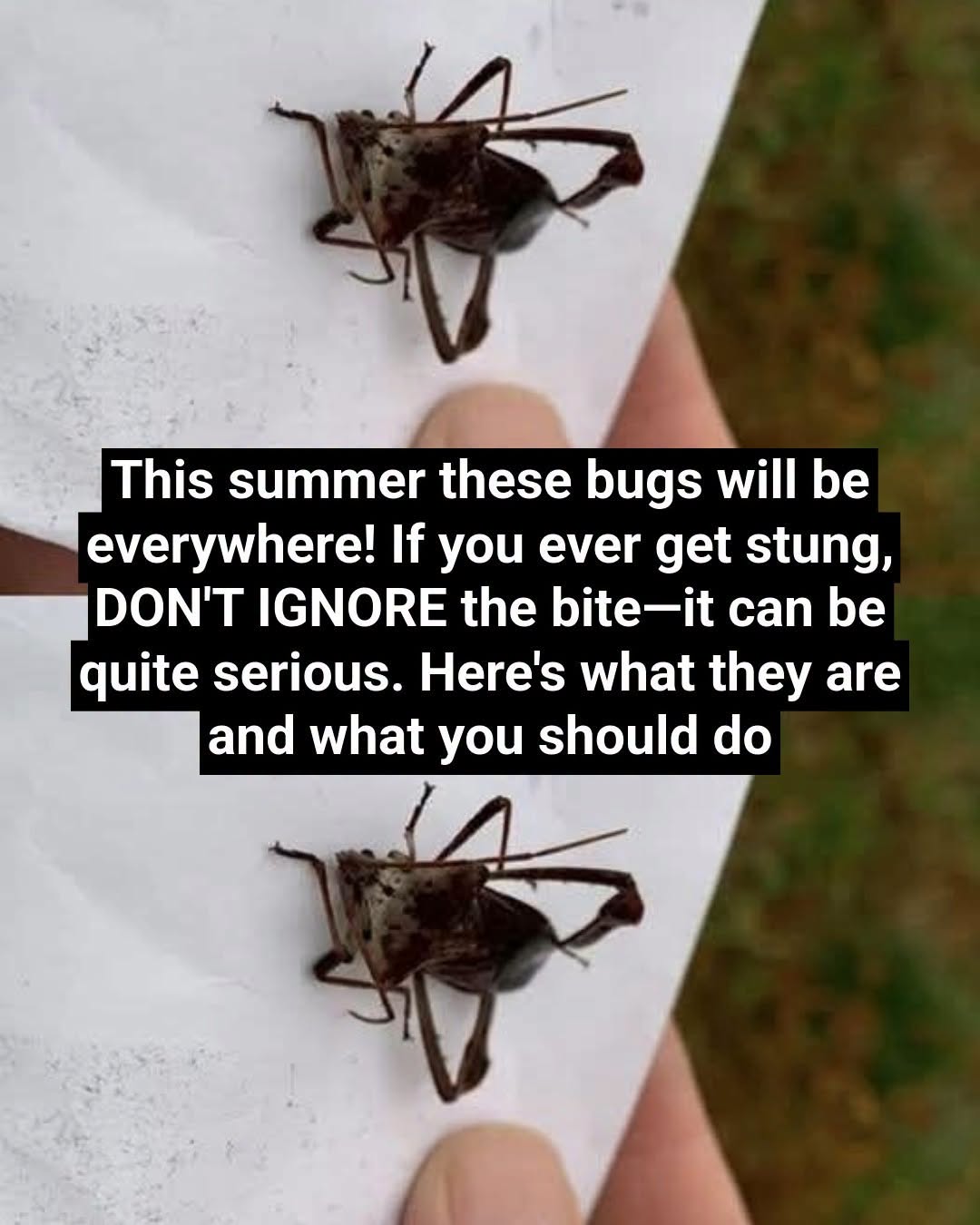
A: Kissing bugs are typically ½–1½ inches long, brown or black, with a cone-shaped head and striped abdomen edges. They have a visible “beak” tucked under the body. When in doubt, take a photo (from a safe distance) and consult a local extension office or pest control expert.
Q: Can Chagas disease spread from person to person?
A: Not through casual contact. Transmission routes include: bug bites, contaminated food/drink, blood transfusion (rare in U.S. due to screening), organ transplant, or mother-to-baby during pregnancy/birth.
Q: Is there a vaccine for Chagas disease?
A: No vaccine is currently available. Prevention focuses on avoiding bug bites and early detection/treatment.
Q: Can my pet get Chagas disease?
A: Yes, dogs (and less commonly cats) can be infected. Symptoms in pets may include lethargy, weight loss, swelling, or heart issues. Consult your vet if you’re concerned.
Q: Should I test my whole family if one person was bitten?
A: Discuss with your healthcare provider. Testing is generally recommended for anyone with known exposure to kissing bugs, especially in endemic areas.
Q: How long after a bite can Chagas disease develop?
A: Acute symptoms (if they occur) appear within weeks to months. Chronic complications may develop 10–30 years later. Early treatment reduces long-term risk.
Q: Can I treat a bite at home without seeing a doctor?
A: For mild, localized reactions, home care (washing, antiseptic, monitoring) is reasonable. But if you suspect a kissing bug bite—or if symptoms develop—seek medical evaluation. When in doubt, get checked.
🌿 Natural & Supportive Care After a Bite
While medical evaluation is essential for suspected kissing bug bites, these supportive measures may help with comfort and healing:
For Mild Bite Reactions:
✅ Cold compress: Reduces swelling and itching (10 minutes on, 10 minutes off)
✅ Oatmeal bath or calamine lotion: Soothes itchy skin
✅ Oral antihistamines (like cetirizine): Helps with itching and mild allergic response
✅ Elevate the area: If swelling occurs on limbs, elevation can reduce fluid buildup
To Support Overall Immune Health:
✅ Stay hydrated: Supports lymphatic function and toxin clearance
✅ Eat anti-inflammatory foods: Berries, leafy greens, fatty fish, turmeric
✅ Prioritize rest: Sleep supports immune response and healing
✅ Manage stress: Chronic stress can impair immune function
⚠️ Important: These measures support comfort and general health but do not treat Chagas disease. Antiparasitic medication is required for confirmed infection.
💙 A Compassionate Closing Thought
If you’re reading this because you’ve been bitten—or because you’re worried about encountering an assassin bug—please know:
🐛 Fear is understandable. Learning about a new health risk can feel unsettling. But knowledge is power, and you’re already taking a wise step by seeking information.
🐛 Most bites are not emergencies. The majority of assassin bug encounters result in mild, self-limiting reactions. Stay calm, clean the area, and monitor.
🐛 You’re not alone. Healthcare providers, public health agencies, and pest control experts are resources you can turn to—without judgment.
🐛 Prevention is empowering. Simple habits (clearing debris, sealing cracks, using repellent) significantly reduce risk. You have more control than you think.
Chagas disease is serious, but it’s also preventable and treatable—especially when caught early. By staying informed and responding thoughtfully, you protect not only yourself but also your loved ones.
However your story unfolds, may you move through it with clarity, care, and confidence.
🧭 The Bottom Line
Assassin bug bites require awareness, not alarm.
Remember:
🐛 Only certain “kissing bug” species transmit Chagas disease; many assassin bugs are harmless or beneficial
🧼 Wash bites immediately with soap and water to reduce infection risk
🩺 Seek medical evaluation if you suspect a kissing bug bite—even without symptoms
🏡 Prevention works: seal entry points, reduce debris, use repellent, and protect pets
💙 Early detection makes treatment more effective; don’t delay care out of fear
You don’t need to live in fear of summer evenings. You just need to stay informed, take sensible precautions, and trust yourself to respond wisely if the unexpected happens.
Stay safe, stay curious, and enjoy the season.
Have you encountered assassin bugs or other biting insects in your area? What prevention strategies work best for you? Share your experiences and tips respectfully in the comments below.
ADVERTISEMENT