ADVERTISEMENT
Era
Development
Early 1900s
Church “dinner on the grounds” traditions feature simple, scalable foods like sandwiches and casseroles
Mid-20th Century
Post-WWII convenience foods (pre-sliced cheese, packaged rolls) make assembly even easier
1970s–1990s
The “ham and cheese slider” becomes a potluck staple across Southern and Midwestern communities
2000s–Present
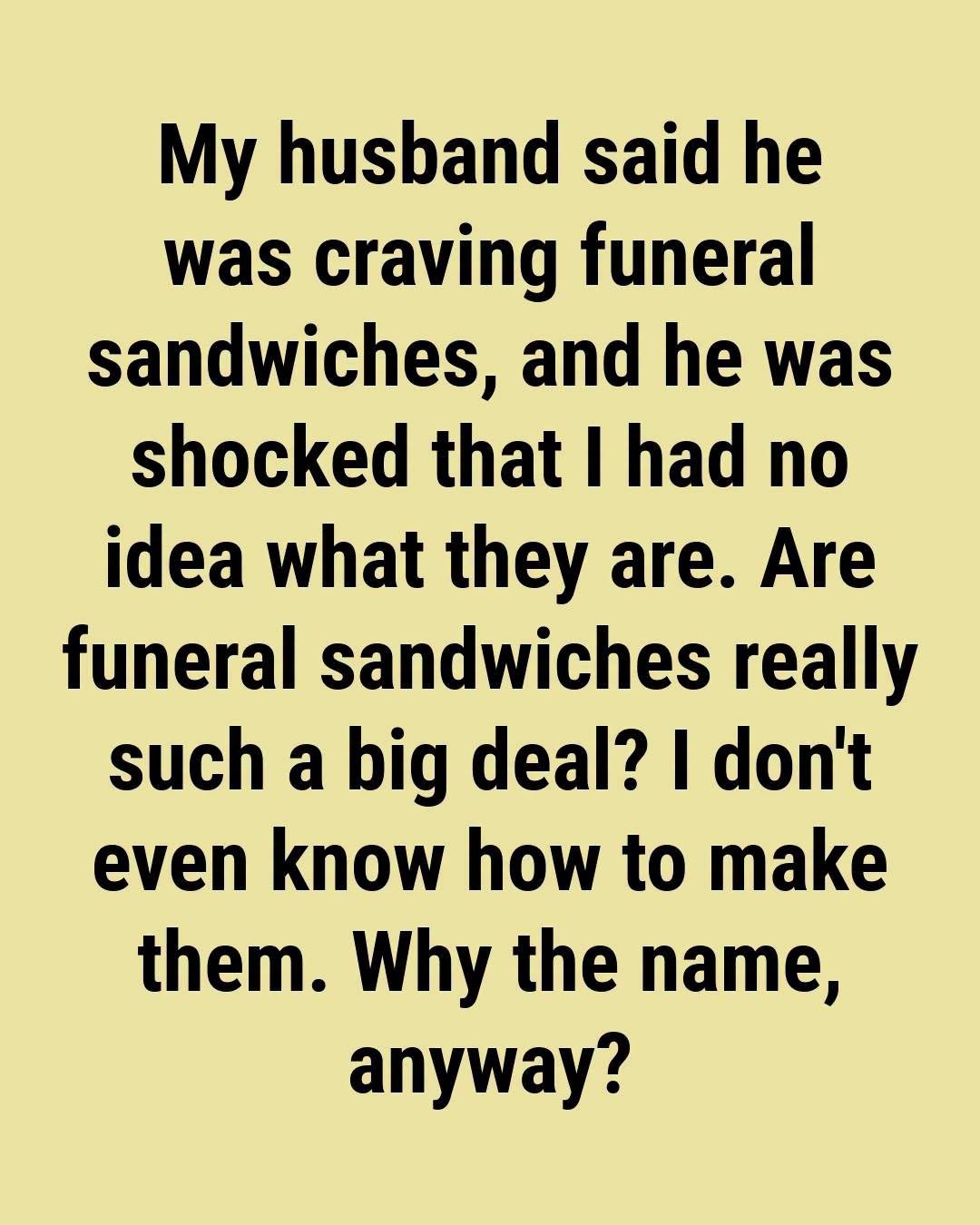
Food blogs and social media popularize the “funeral sandwich” name; recipes go viral with signature glazes and twists
What began as practical hospitality has become a beloved culinary tradition—one that honors both efficiency and heart.
🥣 The Classic Recipe (Serves 12–16)
Ingredients
1 package (12–16 count) Hawaiian sweet rolls or potato dinner rolls
1 lb thinly sliced deli ham
8–10 slices Swiss or cheddar cheese
½ cup (1 stick) unsalted butter, melted
1 tbsp Dijon mustard or mayo
1 tsp poppy seeds (optional)
½ tsp onion powder or dried minced onion
Pinch of garlic powder
Instructions
Prep: Preheat oven to 350°F (175°C). Lightly grease a 9×13-inch baking dish.
Slice rolls: Without separating individual rolls, slice the entire slab in half horizontally. Place the bottom half in the baking dish.
Layer: Arrange ham evenly over the bottom rolls, then top with cheese slices.
Cap: Place the top half of the rolls over the cheese.
Make the glaze: Whisk together melted butter, mustard, poppy seeds, onion powder, and garlic powder.
Brush: Pour or brush the glaze evenly over the top rolls, letting it soak into the seams.
Bake: Cover with foil and bake 15 minutes. Uncover and bake 5–10 more minutes until golden and cheese is melted.
Rest & serve: Let cool 5 minutes, then slice into individual sliders. Serve warm.
Make-Ahead Tips
✅ Assemble up to 24 hours ahead; refrigerate, then bake when ready
✅ Freeze unbaked sliders for up to 1 month; thaw overnight before baking
✅ Double the recipe for large gatherings—they disappear fast!
🌍 Cultural Significance: More Than Just a Sandwich
In many communities, especially across the American South and Midwest, food is a primary expression of care. When someone is grieving, celebrating, or simply gathering, showing up with food says what words sometimes cannot.
The “Food Ministry” Tradition
Churches and community groups often maintain “meal trains” or “sympathy food” networks. Funeral sandwiches fit perfectly into this system because they:
Use affordable, accessible ingredients
Can be made by volunteers with varying cooking skills
Reheat well or serve at room temperature
Appeal to diverse ages and tastes
A Symbol of Shared Humanity
There’s something quietly profound about a dish that serves both joy and sorrow. The same tray of sandwiches might appear at:
A funeral reception, offering comfort in loss
A church homecoming, celebrating reunion
A birthday party, marking joy
A neighborhood potluck, building connection
The food doesn’t change. The love behind it doesn’t change. Only the reason for gathering shifts.
💡 Pro Tips for Perfect Funeral Sandwiches
✨ Choose the right rolls: Hawaiian sweet rolls add subtle sweetness that pairs beautifully with ham and cheese. Potato rolls offer a softer, neutral base. Avoid crusty artisan breads—they don’t hold together as well for sliders.
✨ Don’t skip the rest time: Letting the sandwiches rest 5–10 minutes after baking helps the cheese set slightly, making them easier to cut and serve neatly.
✨ Brush generously: The butter glaze is what transforms simple sliders into something special. Don’t be shy—let it soak into the rolls for maximum flavor.
✨ Keep it warm: If serving at an event, place the baking dish in a slow cooker on “warm” or use a chafing dish to keep sliders at the perfect temperature.
✨ Label for dietary needs: If offering variations (vegetarian, gluten-free), use small signs so guests can choose confidently.
❓ FAQs: Your Funeral Sandwich Questions, Answered
Q: Can I make these ahead of time?
A: Absolutely! Assemble the sandwiches, cover tightly, and refrigerate for up to 24 hours before baking. Add 3–5 minutes to the baking time if starting from cold.
Q: Can I freeze them?
A: Yes. Freeze unbaked sandwiches tightly wrapped for up to 1 month. Thaw overnight in the fridge before baking as directed.
Q: What if I don’t eat pork?
A: Swap ham for turkey, chicken, roast beef, or a plant-based deli alternative. The method remains the same.
Q: Can I make these in a slow cooker?
A: While not traditional, you can layer assembled sandwiches in a slow cooker on low for 2–3 hours. Texture will be softer, but flavor remains delicious.
Q: Why Hawaiian rolls?
A: Their slight sweetness balances the saltiness of ham and cheese, and their soft texture holds up well to baking without becoming tough.
Q: Are these appropriate for non-funeral events?
A: Definitely! Many people now call them “party sliders” or “gathering sandwiches” to emphasize their versatility. The name is flexible—just like the dish.
🕯️ A Thoughtful Closing
There’s a quiet wisdom in the funeral sandwich.
It doesn’t demand attention. It doesn’t require perfection. It simply shows up—warm, comforting, reliable—when people need it most.
In a world that often values novelty and spectacle, there’s something radical about a dish that says: You don’t have to be fancy to be loved. You don’t have to be perfect to be welcome. Sometimes, the simplest things carry the deepest care.
So whether you’re preparing a tray for a memorial, a potluck, or a Tuesday night dinner, know this: you’re part of a long, beautiful tradition. One that honors community, celebrates resilience, and reminds us that food, at its best, is never just about nourishment.
It’s about connection.
🧭 The Bottom Line
Funeral sandwiches earn their name not from gloom, but from grace.
Remember:
🥪 They’re simple, scalable, and deeply comforting
❤️ They carry a legacy of community care and shared humanity
🔄 They’re endlessly customizable to suit any taste or occasion
✨ They remind us that showing up—with food, with presence, with love—is its own kind of magic
So the next time you slice a pan of rolls and layer in the ham and cheese, know that you’re doing more than making dinner.
You’re continuing a tradition. You’re offering comfort. You’re saying, in the quietest, most delicious way possible: I see you. I’m here.
And sometimes, that’s exactly what we all need.
ADVERTISEMENT