ADVERTISEMENT
Ever felt the aroma of bread baking right out of the oven in the kitchen? Perhaps you can remember seeing a loaf of bread stored in a metal or wooden breadbox, always visible yet perfectly preserved. For most of us, that breadbox was a common piece of household equipment—a small appliance stored in the kitchen that played an important role in our daily lives.
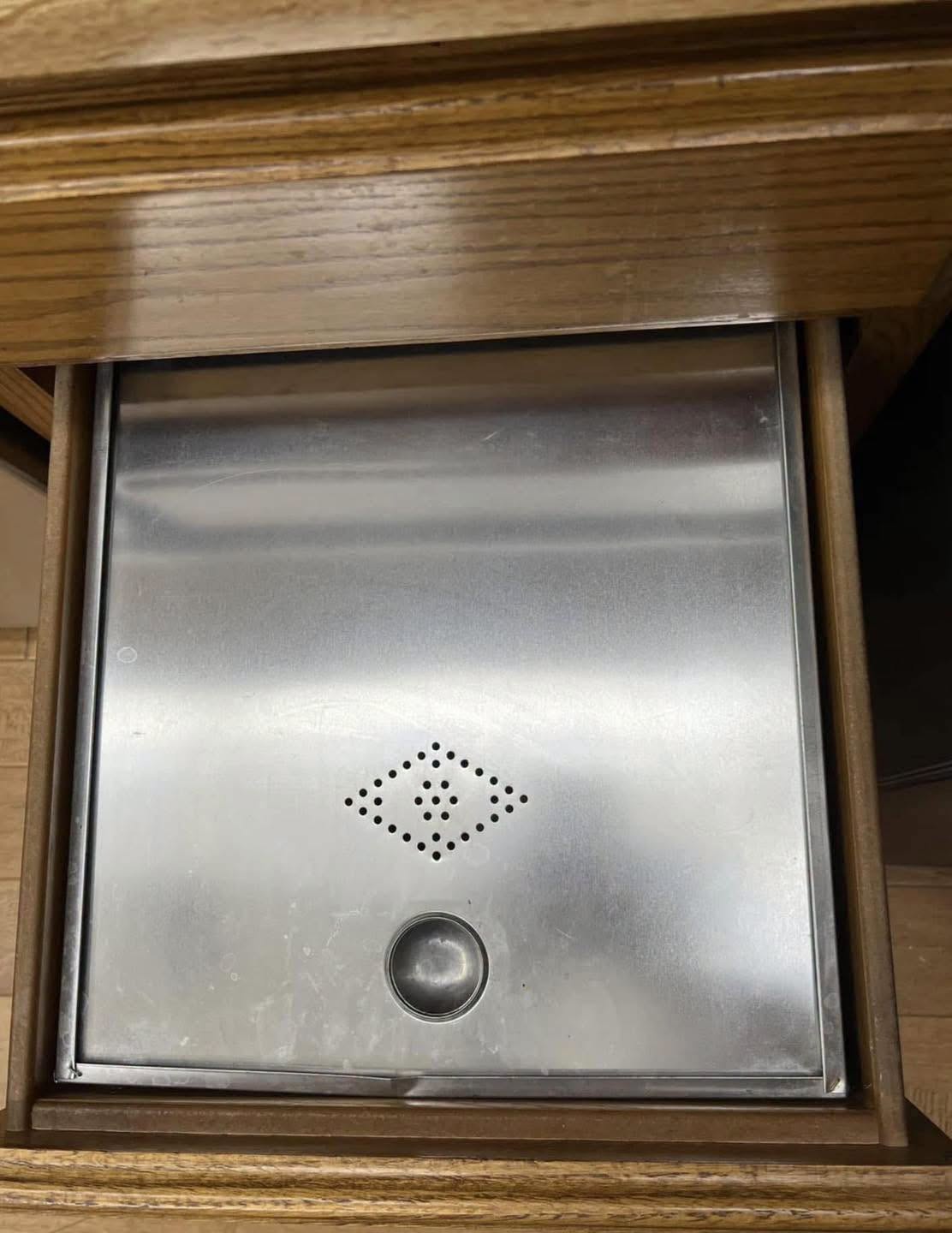
Somewhere in the kitchen of a new house I moved into, there is a built-in breadbox conveniently located next to the sink. All of a sudden, I was transported back to my grandmother’s kitchen; the breadbox was always filled with warm homemade dinner rolls or store-bought bread for merenda or toothsome toast with morning tea.
This was a small wooden box in the corner of the kitchen counter, which had a much greater significance than simply holding things. It was a symbol of the home—the teachings of which were followed in the kitchens of past decades.
🍞 What Exactly Is a Breadbox?
A breadbox (also called a bread bin or bread keeper) is a container designed to store bread and baked goods at room temperature while maintaining optimal freshness.
How It Works: The Simple Science
|
Feature
|
Purpose
|
Benefit
|
|---|---|---|
|
Ventilated design
|
Allows controlled air circulation
|
Prevents mold while keeping crust crispy
|
|
Opaque interior
|
Blocks light exposure
|
Slows staling and preserves flavor
|
|
Tight-fitting lid
|
Maintains humidity balance
|
Keeps bread soft inside without getting soggy
|
|
Room-temperature storage
|
Avoids refrigeration
|
Preserves texture (fridge actually speeds up staling!)
|
💡 Fun fact: Refrigerating bread makes it go stale faster because cold temperatures accelerate starch retrogradation—the process that makes bread firm and dry.
🕰️ A Brief History: From Necessity to Nostalgia
The Rise of the Breadbox (1920s–1950s)
Breadboxes became common in American homes when:
- Most families bought fresh bread daily from local bakeries or baked at home
- Plastic wrap and preservatives didn’t yet exist
- Kitchens were designed around fresh, unpackaged foods
The Golden Age (1950s–1980s)
This era saw breadboxes evolve into stylish kitchen staples:
- Materials: Enamel-coated metal, polished wood, or ceramic
- Designs: Roll-top lids, hinged covers, decorative patterns
- Placement: Built into cabinetry near prep areas for easy access
The Decline (1990s–Present)
As food packaging advanced, breadboxes faded from everyday use:
- Plastic bags with twist ties extended shelf life
- Commercial preservatives kept bread fresh longer
- Smaller households bought less bread, reducing storage needs
But here’s the thing: just because we can keep bread in plastic doesn’t mean we should.
✨ Why Breadboxes Are Making a Comeback
1. Better Bread, Naturally:
Continued On Next Page
ADVERTISEMENT