ADVERTISEMENT
- Prep Time: 20 minutes
- Cook Time: 1–1½ hours
- Chill Time: 3–4 hours
- Total Time: 5–6 hours
- Yield: 24 small squares
Directions and Instructions
- Line an 8×8-inch baking pan with aluminum foil, allowing the foil to hang over the sides for easy removal.
- Add 2 cups of white chocolate chips and approximately 3/4 of the sweetened condensed milk to a heat-safe bowl.
- Place the bowl in a slow cooker set to LOW.
- Heat for 30–45 minutes, stirring every 10–15 minutes until smooth and glossy.
- Pour the melted mixture into the prepared pan and spread into an even layer.
- Set aside to cool slightly while preparing the coffee layer.
- In a second bowl, combine the remaining 1 cup white chocolate chips, the remaining sweetened condensed milk, and the instant espresso powder.
- Place the bowl in the slow cooker and heat on LOW for another 30–45 minutes, stirring occasionally until smooth.
- Remove from the slow cooker and allow the mixture to rest for 5 minutes.
- Whisk vigorously for 1–2 minutes, or beat with a hand mixer for about 1 minute, until slightly lighter and fluffier.
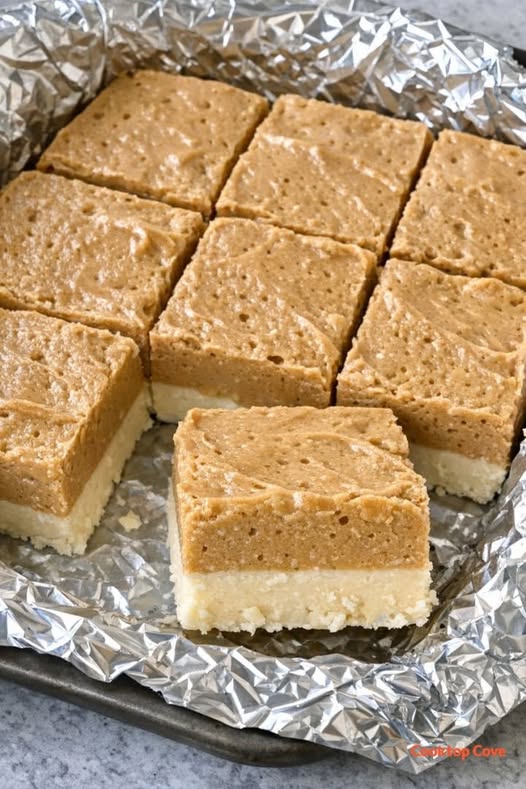
- Carefully spread the coffee mixture over the cooled base layer.
- Smooth the top gently, leaving decorative swirls if desired.
- Allow the pan to cool at room temperature for 15–20 minutes.
- Refrigerate for at least 3–4 hours, or until fully firm.
- Lift the fudge from the pan using the foil overhang.
- Cut into 24 small squares using a sharp knife.
- Serve chilled or allow to sit at room temperature for 5–10 minutes before serving for a softer texture.
Notes or Tips
- Overnight chilling creates the cleanest slices and most distinct layers.
- Run your knife under hot water between cuts for neat, professional-looking squares.
- Decaf instant coffee can be used for a lower-caffeine version.
Cooking Techniques
- Melting the chocolate slowly on LOW heat prevents scorching and maintains a smooth texture.
- Whisking the coffee layer incorporates air, creating a lighter and more whipped consistency.
- Cooling the base layer slightly before adding the top layer helps maintain clean separation between the layers.
ADVERTISEMENT